About Us
Who We Are
Meet our team, discover our philosophy, and learn about what makes Maygardens Little Learners a special place for children and families in Northolt.
Meet our team, discover our philosophy, and learn about what makes Maygardens Little Learners a special place for children and families in Northolt.
Both Alexandra E Diosan and Abeer Hashmi have been offering childcare services in Ealing for more than 10 years. They started their journey as childminders and always had the vision to open a nursery where they could provide quality childcare to families.
We take pride in being part of such a diverse and rich cultural heritage community. We have now taken our vision forward to laying a solid foundation for future generations to come.
MayGardens Little Learners stands for quality services and provides a diverse, homely environment in which the children prosper and grow to their full potential. We understand each child has different needs and we aim to identify them by working as a team with families and professionals.
"We want a nursery where children feel loved and valued!"
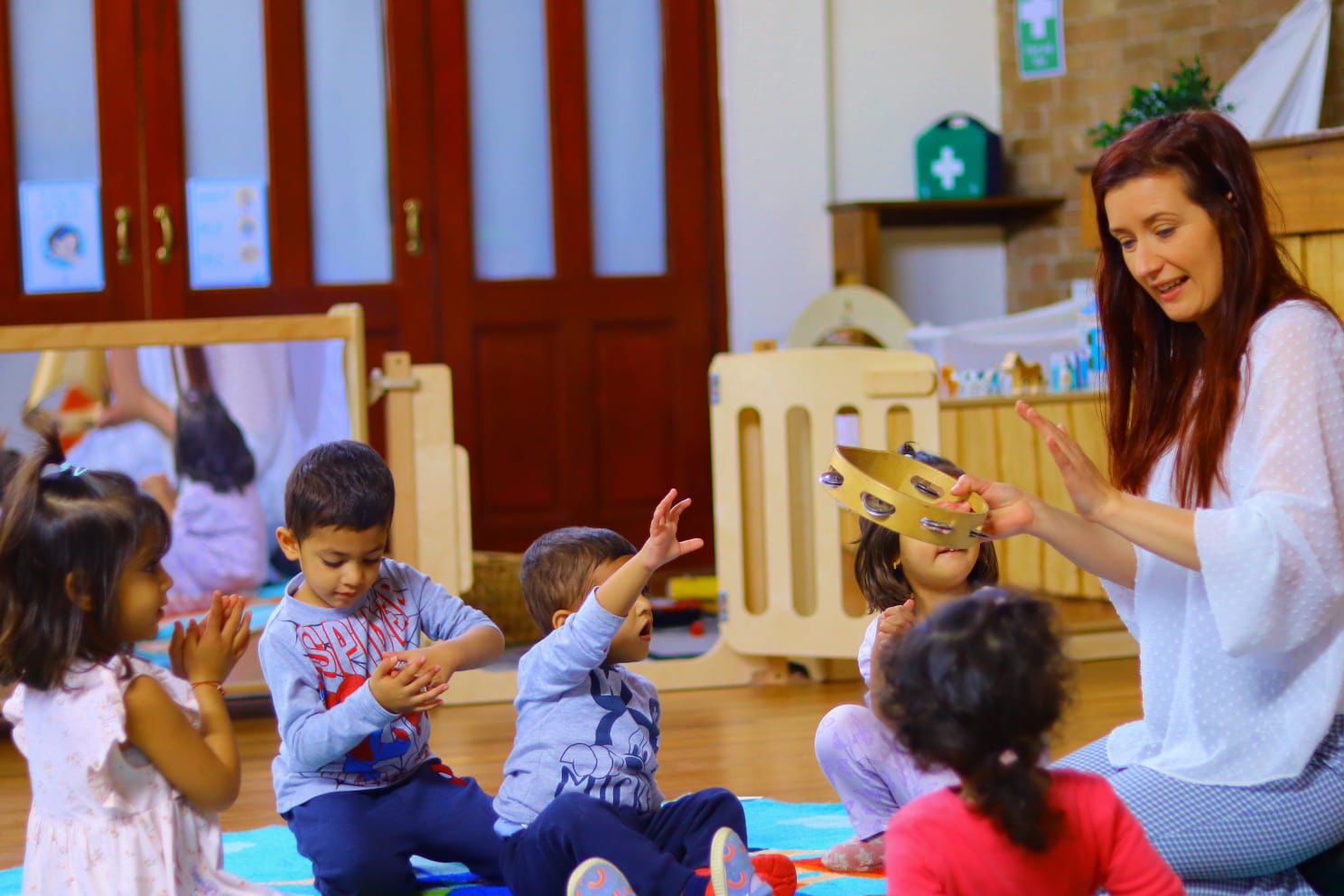
Planning for children's learning and development is aspirational at MayGardens Little Learners. In all areas, staff take great care to develop children's knowledge step-by-step.
We invest time getting to know each child and quickly identify things children may find hard. We use our expertise to help children overcome any difficulties, ensuring all children achieve to the very best of their abilities — including those with special educational needs and/or disabilities (SEND).
Children have a variety of well-planned opportunities to learn about the wider world and build on their cultural capital. We see books as a "window to the world" and choose texts thoughtfully to support all aspects of children's development.
Our ethos is all about putting Families First — whether that be the children we care for, their parents, grandparents, carers, or our colleagues. They Come First!
Our experienced and qualified team is dedicated to providing the highest standard of care and education.
Director of MayGardens Little Learners, has a BA (Hons) Early Years Qualification, 20 years experience of working in childcare and is a mother of three girls.
Holds a Level 5 Diploma in Leadership and Management in the Early Years, over 10 years experience of working in childcare settings and a mother of a very active little boy.
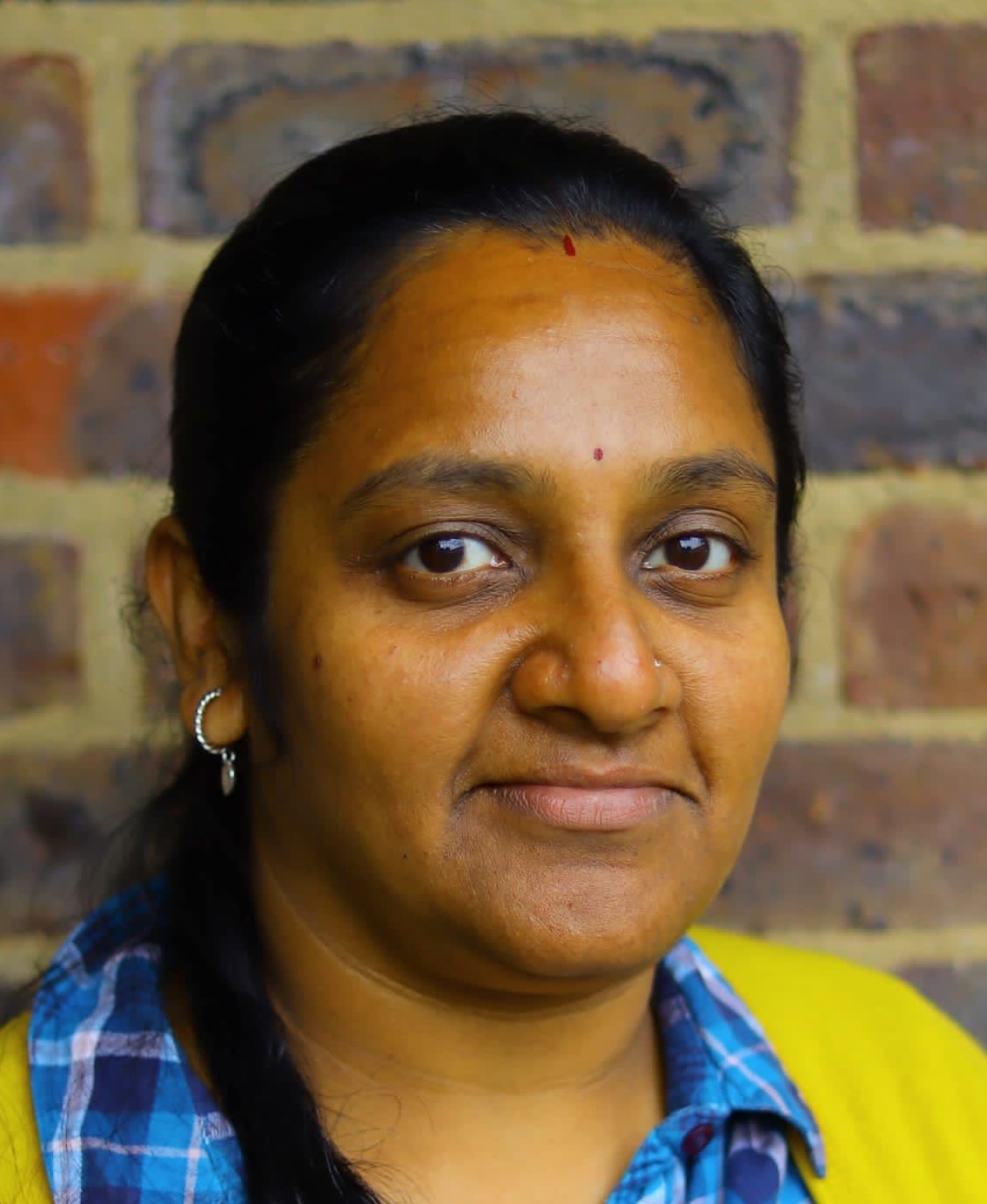
Holds a Level 3 Diploma in Early Years, Childcare and Education, has over 8 years experience of working in childcare and is a mother of 2 girls. Currently studying for a Level 5 Diploma in Leadership and Management in the Early Years.
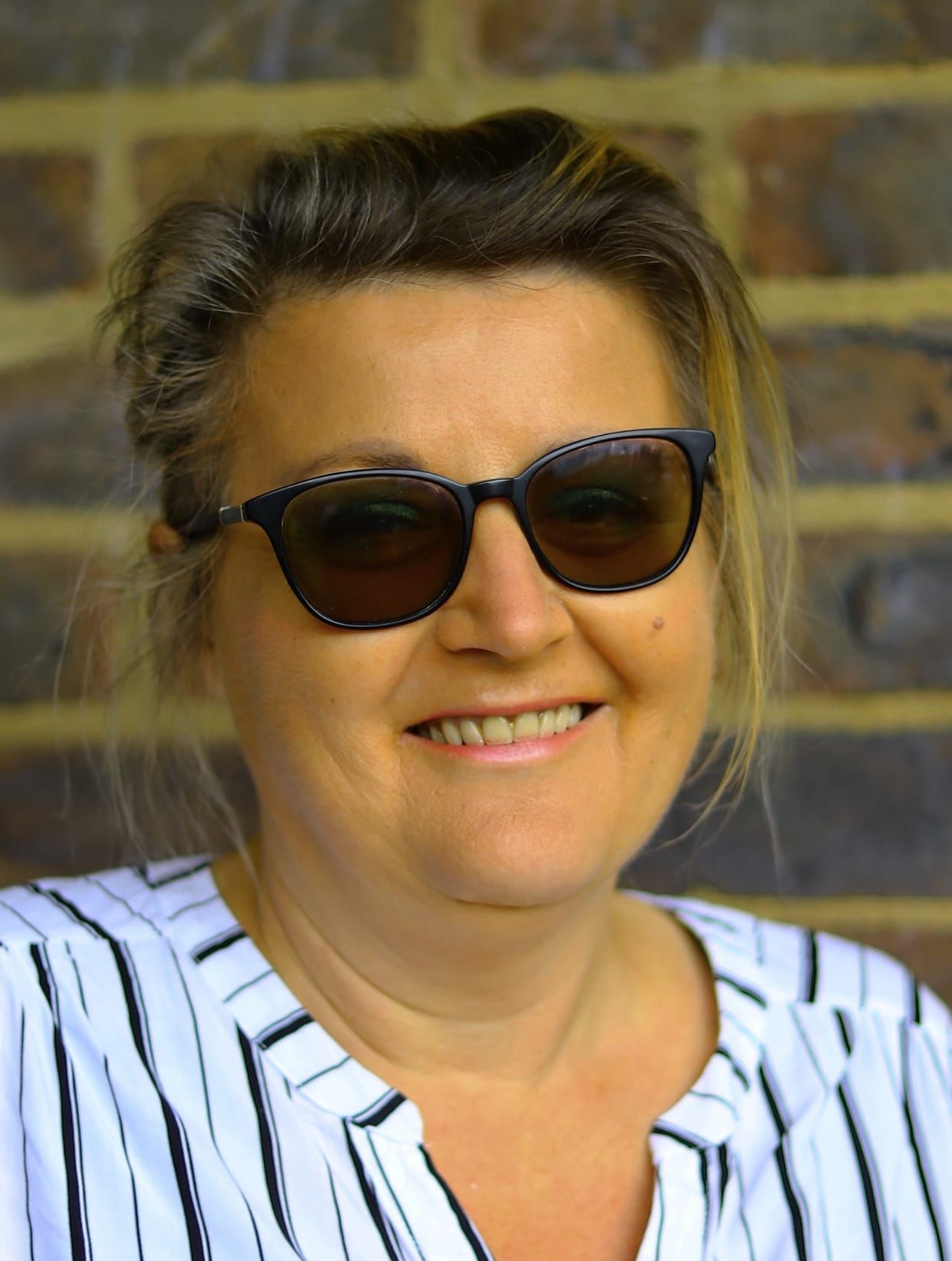
Has been preparing healthy meals in childcare settings for more than nine years. Qualified and holds a Level 2 Food Hygiene and Safety Certification. She is a very proud grandmother!
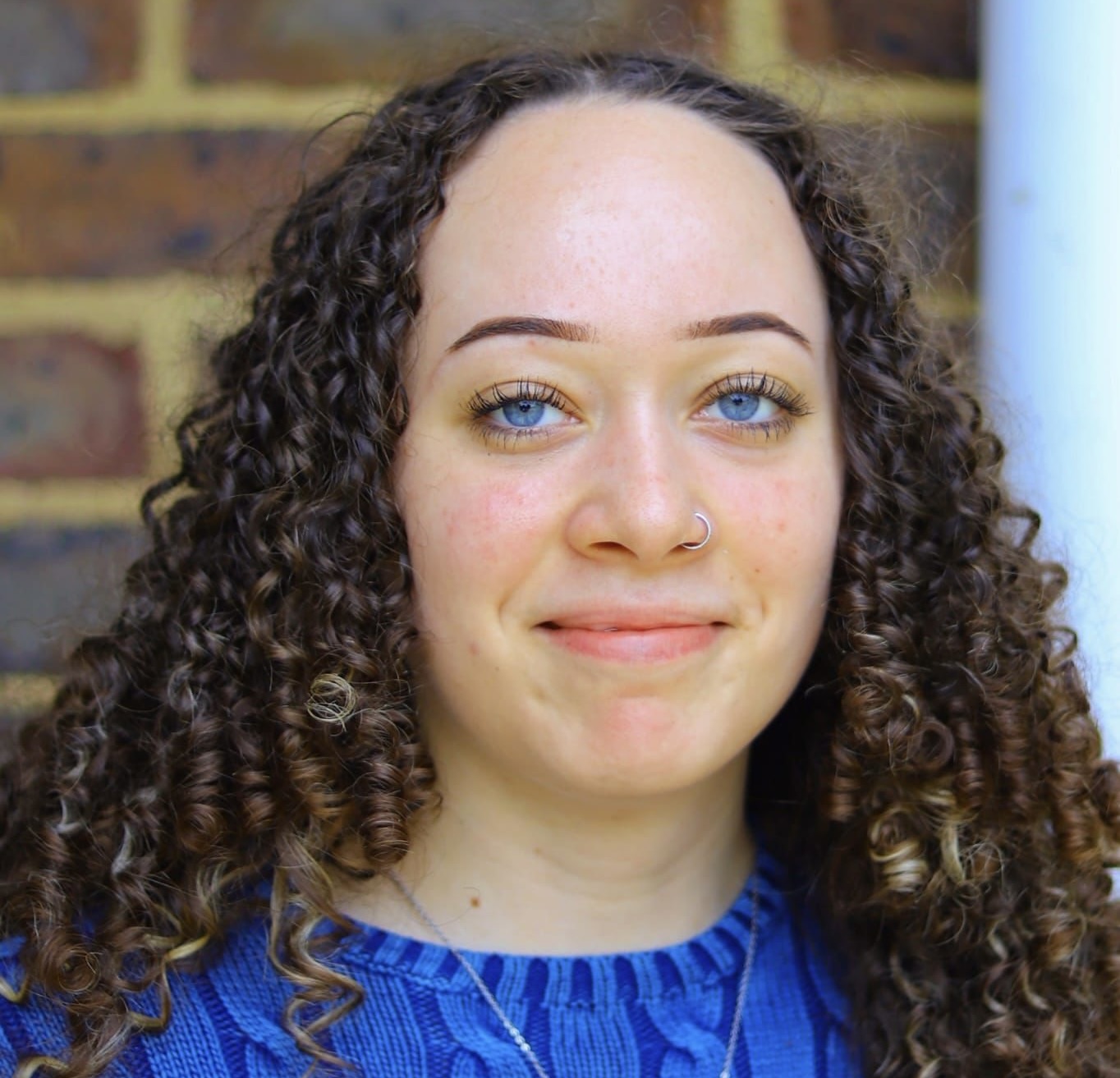
Level 3 Qualified in Early Years. She has recently become our Race Equity Leader and her ambition is to ensure anti-racist practices are embedded in our policy, pedagogy, curriculum and family engagement.
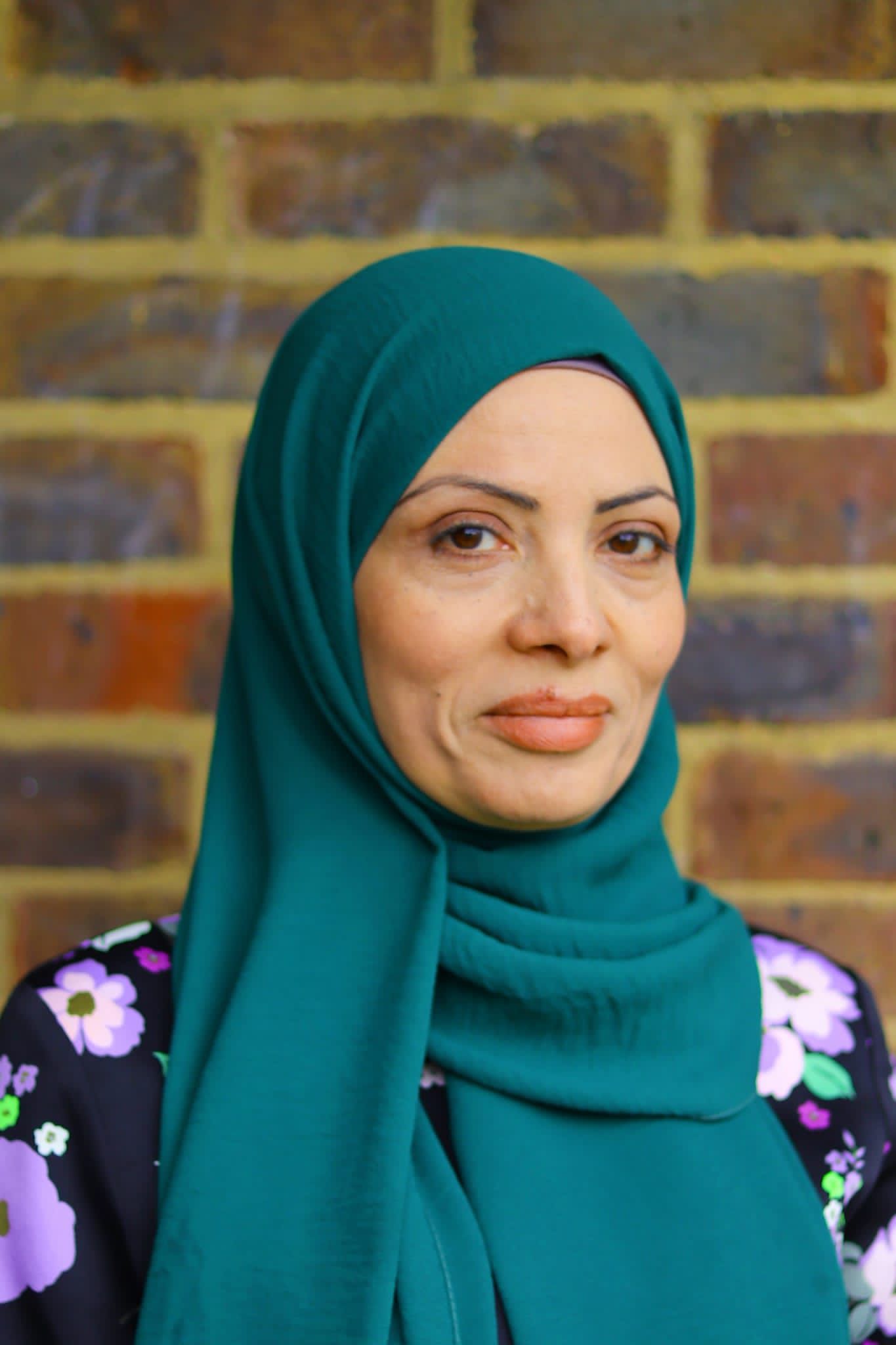
Has completed a Level 3 Diploma Early Years Educator. She has a passion for teaching and shows care and compassion while delivering our curriculum.

Has a Level 3 Diploma in the Early Years and is our Assistant Deputy. She has over 15 years experience in childcare and lives locally. Ms. Dhanny loves reading stories to children and is what we call a "master puppeteer".
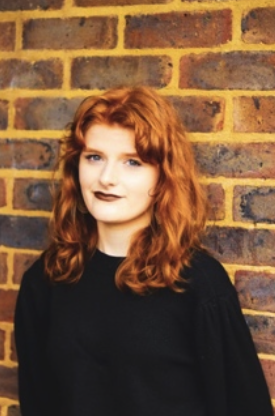
Currently studying for her Level 3 Diploma in the Early Years. Her hobbies include being involved with musical arts and anything creative. Loves supporting Early Years children in expressing themselves through creativity.
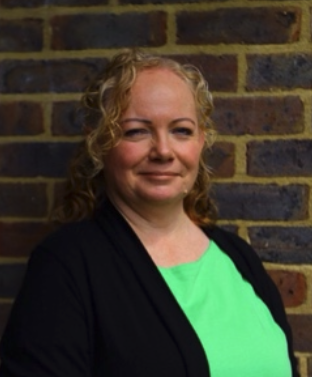
Holds an NNEB — the gold standard childcare qualification equivalent to a Level 3 Diploma — and is our Parents Partnership Leader. A total Disney fan (even her dog is called Lilo!) and passionate about helping parents who may find the parenting world a little daunting.

Originally from Poland, with about 8 years in childcare. Holds a Level 3 in Early Years Education, a Bachelor's degree in Physical Therapy, and a Diploma in Higher Education ("The developing child: psychological perspective"). Enjoys reading, nature walks, musicals, theatre, and ballet.
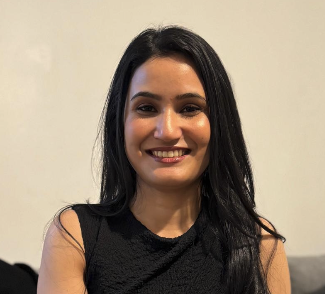
Early Years Practitioner with a Bachelor’s degree in Environmental Science, passionate about supporting children’s learning through creativity, exploration, and play. Enjoys arts and crafts, particularly using recycled materials to encourage imagination and sustainability.
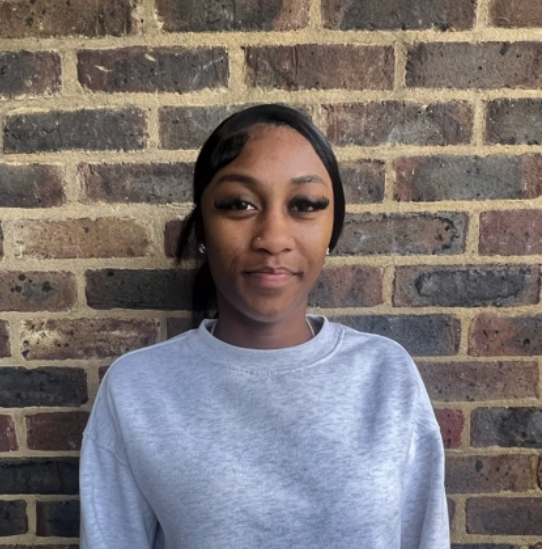
A bubbly and confident individual with a caring nature and a strong ambition to build a career in childcare. A great team player committed to creating a positive and nurturing environment for every child.
May Gardens Little Learners is a family grouping nursery setting. Family grouping gives groups of children of mixed ages a composition that more closely resembles a family than the more popular choice of grouping children by age.
"We firmly believe that the family grouped environment provides an appropriate setting to foster all areas of children's development across the full age range and is beneficial to children of all ages."
Language development occurs very well in mixed age groups where children act as role models for others with fewer language skills. Toddlers grouped only with babies and other toddlers in childcare are exposed to a limited range of language skills.
In family groups, the younger child is surrounded with language interactions of various levels and complexity, and as a result, may often develop language skills more rapidly than their peers in age-group care.
New children settle more easily and feel secure with help from older children. The settled children help guide children who are new to the setting to learn what happens during the day, and in the process develop their own self-esteem and self-confidence.
They model sharing and turn-taking for new or younger children. A less out-going child can relax and interact more comfortably with younger children.
Children of varying ages do not have to compete for the same equipment as their play interests are often very different, and they tend to interact in more positive social ways. There is less aggression and more nurturing of others.
Early years practitioners who have experienced both same and mixed age groups say toddlers are more apt to display negative behaviour when with other toddlers. In family groups children learn more positive behaviours from a wider age range of children.
The safety of babies is sometimes raised as a concern about family grouped settings, yet we believe babies in age-group care have more to fear regarding aggression or injury from another baby or toddler than from an older child.
Physical and intellectual development is well provided for in a family grouped setting, since each child is able to play and learn at their own pace. Children learn to accept and respect others' abilities and can themselves attempt any experience without embarrassment or a sense of failure.
Older children are able to model appropriate play and problem solving to younger children while mastering and extending their own development. They also develop caring skills, empathy skills, and communication more quickly than they would in groups with peers of their own age only.
Benefits are not only for the children. Staff have a more varied and less stressful work day in the family grouped environment. The workload is evened out as the demands from different age groups varies. Staff and children can relate in different ways depending on the situation and age and stage of the child.
Another feature of family grouping that benefits all concerned is that there is no beginning or ending to each year. The evolving nature of family grouping and the continuous booking system ensures that our programmes operate smoothly all year round.
Family grouping has many benefits to the children, families, and the staff. As this approach is based on the principle of consistency and continuity of care for children, it enables us to provide your child with an environment that they not only can feel safe and secure in, but one in which they can develop a strong sense of belonging.
Rights-based relationships are based on kindness, empathy, trust, and belief in the human dignity of each and every one of us. We want our children to develop a strong sense of who they are and to feel they can have and express their preferences, likes, dislikes, and opinions.
In line with the United Nations Convention on the Rights of the Child (UNCRC), MayGardens Little Learners believes that all children have basic needs and it is their universal right to have these met to ensure they can develop to their full potential.
The UNCRC is separated into 54 "articles". Out of the 54, 12 are particularly relevant for early years practitioners working with children.
The Convention applies to every child without discrimination, whatever their ethnicity, gender, religion, language, abilities or any other status, whatever they think or say, whatever their family background.
The best interests of the child must be a top priority in all decisions and actions that affect children.
Children must not be separated from their parents against their will unless it is in their best interests. Children whose parents have separated have the right to stay in contact with both parents, unless this could cause them harm.
Every child has the right to express their views, feelings and wishes in all matters affecting them, and to have their views considered and taken seriously.
Every child must be free to express their thoughts and opinions and to access all kinds of information, as long as it is within the law.
Every child has the right to think and believe what they choose and also to practise their religion, as long as they are not stopping other people from enjoying their rights.
Every child has the right to reliable information from a variety of sources, and governments should encourage the media to provide information that children can understand.
Governments must do all they can to ensure that children are protected from all forms of violence, abuse, neglect and bad treatment by their parents or anyone else who looks after them.
Every child has the right to an education. Primary education must be free and different forms of secondary education must be available to every child. Discipline in schools must respect children's dignity and rights.
Education must develop every child's personality, talents and abilities to the full. It must encourage the child's respect for human rights, as well as respect for their parents, their own and other cultures, and the environment.
Every child has the right to relax, play and take part in a wide range of cultural and artistic activities.
Governments must actively work to make sure children and adults know about the Convention.
The Fundamental British Values are Democracy, Rule of Law, Individual Liberty and Mutual Respect and Tolerance for those with different faiths and beliefs.
Think of Democracy as a situation where everyone is treated equally and has equal rights. Within all nurseries it is important to support children's personal, social and emotional development by giving them opportunities to develop their self-awareness and self-confidence.
As our team plan different days, we always ensure activities are child-focused. Children at MayGardens are encouraged to choose an activity they would like to take part in. In turn, this helps us create a 'theme' for the month, ensuring activities are enjoyable for everyone.
This is about understanding that rules matter — learning to manage their own feelings and behaviours as well as right from wrong. It's about having children learn to behave within agreed and clearly defined boundaries and dealing with any consequences that may occur.
At MayGardens Little Learners, we incorporate British Values through our 5 Golden Rules. Each year, our children take part in choosing these values as part of Individual Liberty.
For Individual Liberty, it's important to focus on children's self-confidence and self-awareness as well as people and communities. Every time we provide opportunities for children to gather wildflowers, mix their own colours for leaf painting or take part in a sack race, we are helping them develop their self-knowledge, self-esteem and confidence.
We encourage a range of experiences that allow children to explore the language of feelings and responsibility, reflect on their differences and understand we are free to have different opinions.
Mutual Respect and Tolerance is where we learn to treat others as we want to be treated. It is important to create an ethos of inclusivity and tolerance where views, faiths, cultures and races are valued.
Our nursery ensures we promote an understanding of the range of different religions, cultures and their celebrations from around the world. We do this by having children participate in activities including artwork, food tasting, and dressing up. The resources we provide are reflective of all religions and cultures, ensuring everyone has something to play with.
Each year, our children take part in choosing the following values as part of Individual Liberty:
Keep up to date with Maygardens Little Learners.
Our nursery has successfully completed its food hygiene inspection. We maintain the highest standards of food preparation and safety for all children in our care. Our cook Mrs. Cristina Dudu holds a Level 2 Food Hygiene and Safety Certification.
↓ DownloadOur January 2026 newsletter covers summer term dates, upcoming events including Graduation Day and Fun Day in July, a recap of our recent theatre show, Think Equal programme updates, the return of weekly community trips, and Stay and Play sessions.
↓ Download NewsletterWe'd love to show you around and introduce you to the people who will be caring for your child.
Get in Touch